How to Design a Backyard That Works 10 Months a Year
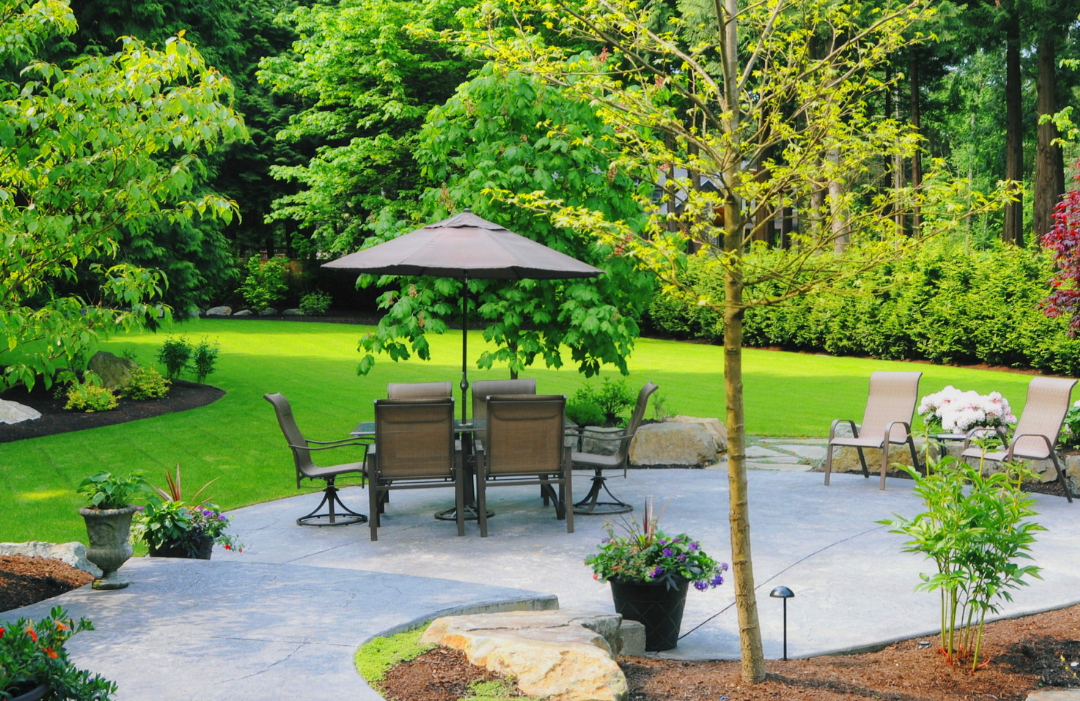
One of the East Bay's best-kept secrets is our climate. While San Francisco shivers under fog and the Central Valley bakes, we get 10 solid months of beautiful, usable outdoor weather. From March through December, your backyard isn't just a nice-to-have. It's an extension of your living space.
And yet, so many homes underutilize their outdoor areas. Patios sit empty. Decks go unfinished. Backyards become storage zones instead of gathering spaces.
Whether you're planning to sell soon or just want to enjoy your home more fully, here's how to design an outdoor living area that works as hard as your kitchen and feels just as intentional.
Start With Zones, Not Stuff
The biggest mistake homeowners make is buying a fire pit, some Adirondack chairs, and a grill without thinking about how they'll actually use the space.
Instead, think in zones:
Dining zone: Where will you eat? Does it need shade? Proximity to the kitchen? Enough space for six people or just two?
Lounging zone: Where will you read, have coffee, or relax with a glass of wine? This might be a sectional, a hammock, or a couple of cozy chairs.
Cooking/entertaining zone: Built-in grill? Portable? Bar seating? Prep counter?
Kids/play zone (if applicable): Swing set, sandbox, lawn space for games.
You don't need all of these. But defining what you do need helps you design with intention instead of just filling space.
Create Shade That Doesn't Feel Heavy
The East Bay gets hot. July through September, you need shade, but you don't want your backyard to feel dark or enclosed.
Here are a few solutions we see working beautifully in local homes:
Pergolas with retractable canopies: Gives you flexibility. Open it up on cool evenings, close it during midday sun.
Sail shades: Modern, clean-lined, and surprisingly effective. They work especially well over dining areas.
Mature trees: If you've got them, use them. A well-placed oak or sycamore is worth its weight in gold.
Umbrellas (the good kind): Invest in a large cantilever umbrella with a sturdy base. Cheap patio umbrellas tip over and look sad. A high-quality one becomes a design anchor.
Invest in Comfortable, Durable Furniture
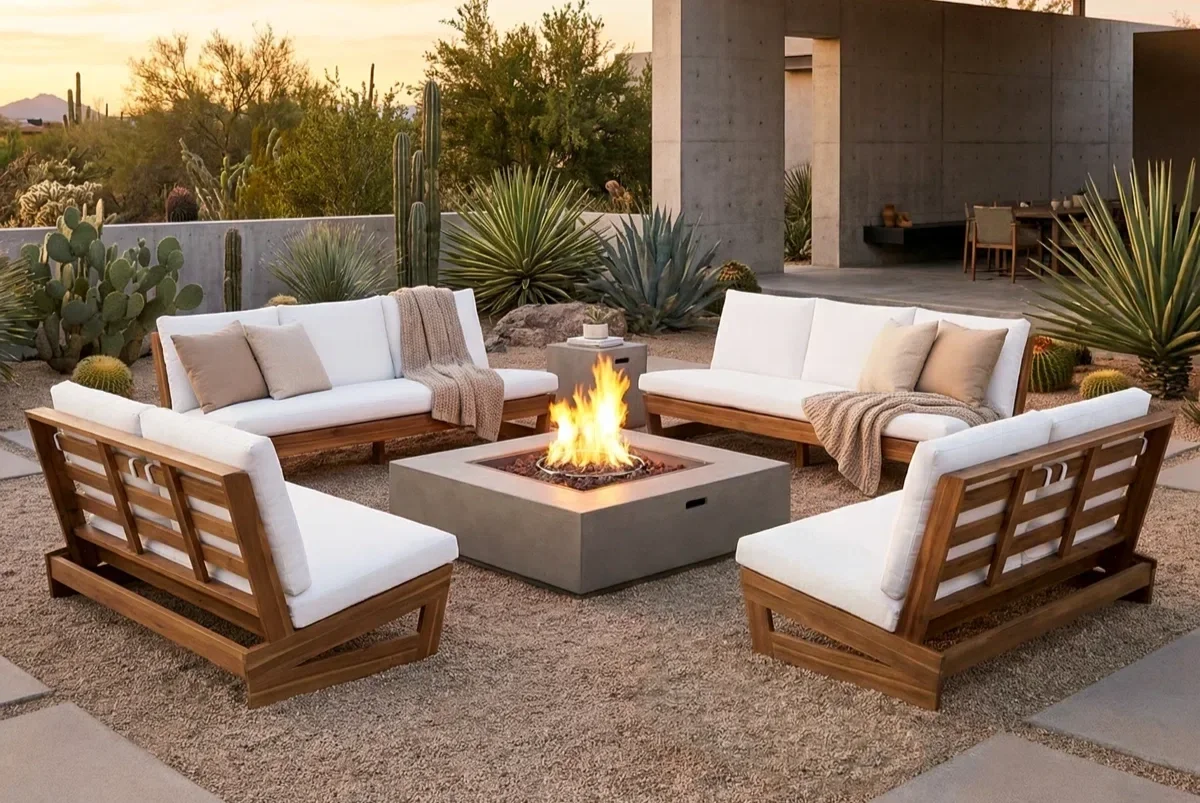
This is not the place to cheap out. Outdoor furniture takes a beating from sun, heat, wind, and the occasional rainstorm. Buy flimsy stuff and it'll look tired in two years.
Look for materials that hold up in our climate:
Teak or eucalyptus wood (beautiful, ages well, needs occasional sealing)
Powder-coated aluminum (lightweight, rust-resistant, modern look)
All-weather wicker with Sunbrella cushions (classic, comfortable, easy to clean)
And here's the thing buyers notice: comfortable outdoor furniture signals that this space is actually used and loved. It makes them imagine themselves living there. Flimsy plastic chairs do the opposite.
Add Lighting for Ambiance and Safety
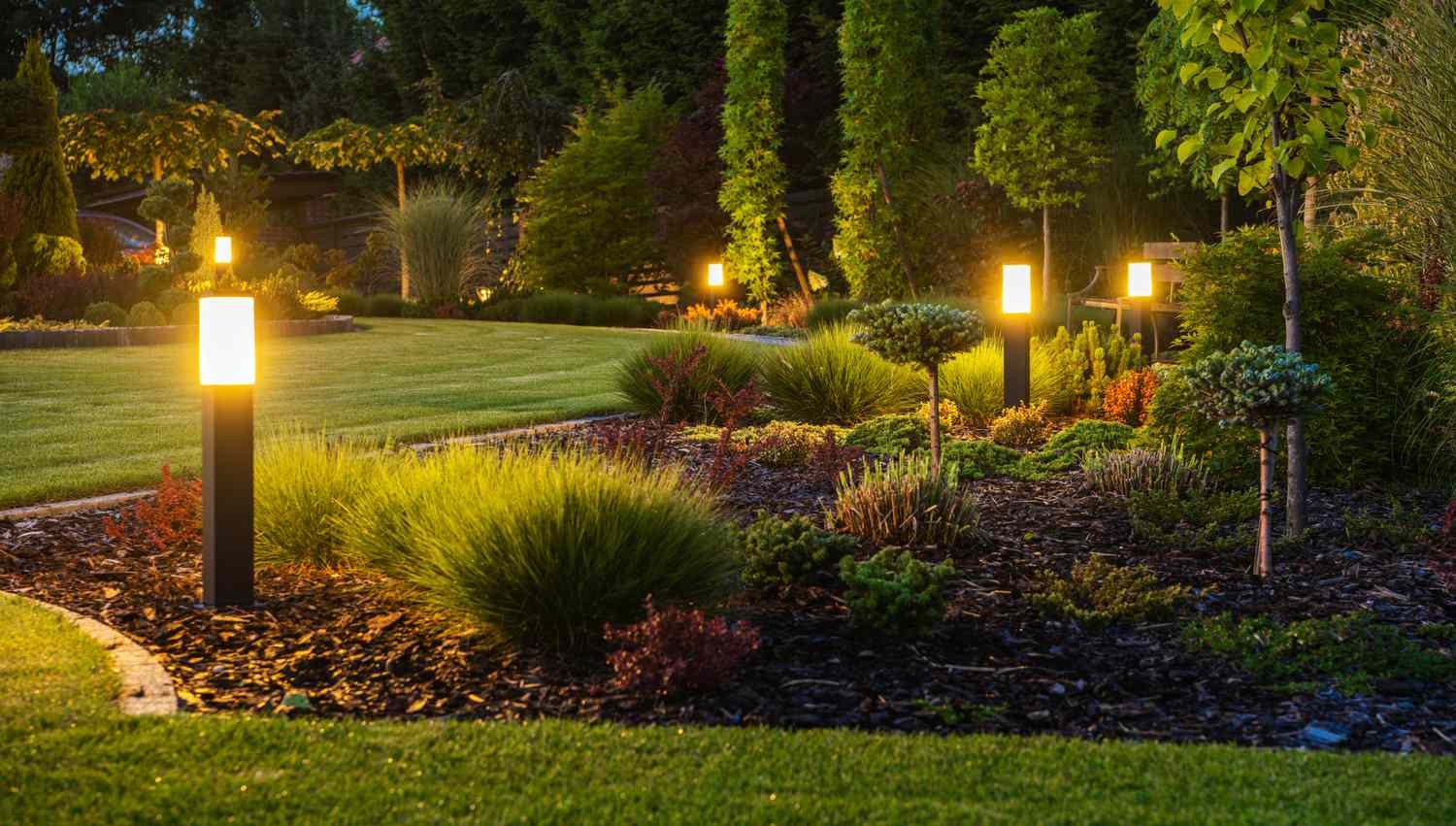
Outdoor lighting transforms a space. It makes your backyard usable after sunset and creates an atmosphere that feels intentional and designed.
Layer your lighting:
String lights or bistro lights overhead: Warm, inviting, and flattering. This is the easiest way to make a patio feel like a destination.
Pathway lighting: Solar-powered stakes along walkways keep things safe and add a polished touch.
Accent lighting: Uplights on trees, wall sconces by the back door, lanterns on tables.
Good outdoor lighting also improves security and curb appeal, especially if your backyard is visible from the street.
Don't Forget Heating for Shoulder Seasons
Here's what makes East Bay outdoor living special: you can use your backyard in March, April, October, and November if you plan for it.
A quality patio heater or fire pit extends your season by months. On a 60-degree evening, a little warmth makes all the difference between going inside at 7 p.m. and staying out until 10.
We see a lot of homes adding built-in fire features, whether that's natural gas fire pits, propane fire tables, or traditional wood-burning fire pits where allowed. They're gathering spots, conversation starters, and increasingly, a major selling point.
Make It Feel Designed, Not Decorated
The difference between a backyard that feels like an outdoor room and one that feels like a patio with random stuff on it comes down to cohesion.
Choose a color palette and stick to it. If you're going for a modern look, keep lines clean and colors neutral. If you love a boho vibe, layer in textiles, plants, and warm tones. If you're more traditional, think classic planters, symmetrical layouts, and timeless materials.
And please, hide the hose, store the kids' toys, and keep clutter out of sight. An outdoor space should feel as curated as your living room.
Add Greenery (Even If You're Not a Gardener)
Plants make outdoor spaces feel alive. You don't need a green thumb, just the right plants for our climate.
Low-maintenance options that thrive in the East Bay:
Lavender (drought-tolerant, beautiful, smells amazing)
Rosemary (edible, evergreen, easy to grow)
Olive trees in large planters (Mediterranean vibe, very forgiving)
Succulents and ornamental grasses (minimal water, maximum impact)
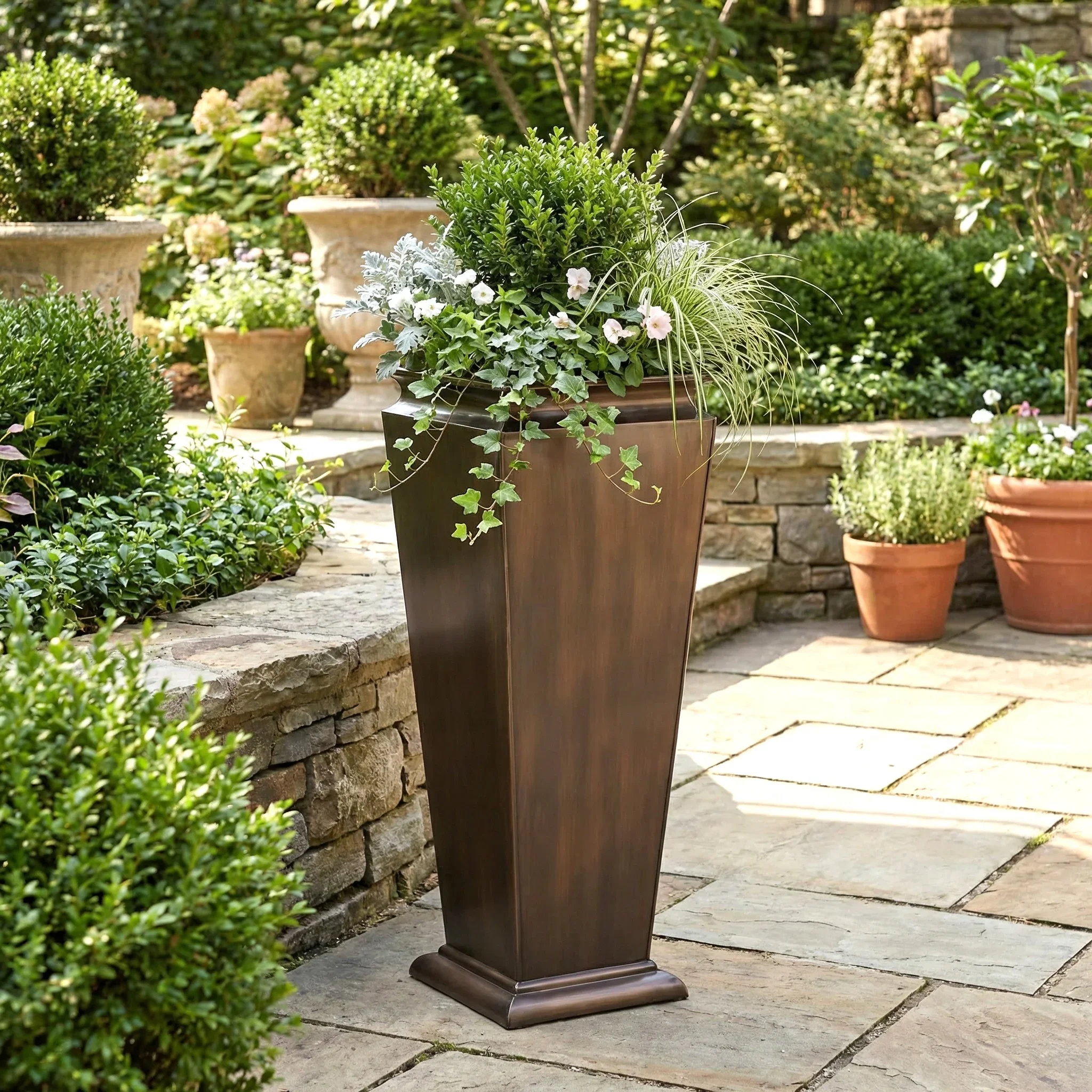
If you're really not into gardening, stick to large planters with one statement plant each. Three matching pots with identical olive trees or agaves look intentional and high-end with zero effort.
The Bottom Line: Design for How You Actually Live
The best outdoor spaces aren't the ones that look like a magazine spread. They're the ones that get used.
If you love cooking, invest in a great grill and prep area. If you love hosting, prioritize seating and shade. If you love quiet mornings, create a cozy corner with a chair and a side table for your coffee.
And if you're planning to sell, a thoughtfully designed and well-maintained outdoor space can genuinely add $20,000 to $50,000 in perceived value, especially in markets like Walnut Creek, Danville, and Lafayette, where buyers expect resort-style backyards.
Your backyard is some of the most valuable square footage you own. Treat it that way.